Modern pipeline and process industries demand welds that are strong, clean, and repeatable—delivered quickly and safely. That’s exactly where pneumatic clamping paired with a purging arrangement comes in. The clamp delivers precise, consistent force for alignment; the purge system maintains an oxygen-free or controlled-gas environment around the joint so the weld pool and heat-affected zone stay clean. In simple words: straighter joints, fewer defects, faster cycles, and higher productivity.
Pneumatic clamps with a purging arrangement assured accurate alignment of the two joints of pipe during the welding operation. They also reduce oxidation, undercut, sugaring, and porosity—problems that commonly plague stainless steels, duplex alloys, high-nickel materials, and even reactive non-metals. Add in faster actuation and repeatability, and you get a strong case for adoption in refineries, chemical plants, fabrication yards, and on-site pipeline projects.
What is a Pneumatic Clamp With Purging Arrangement?
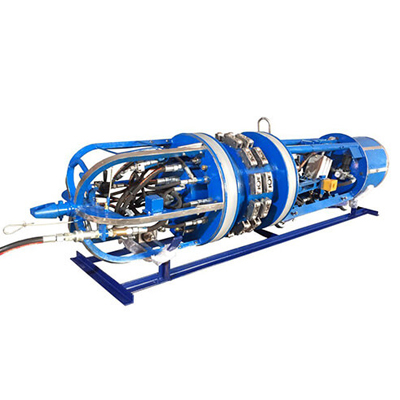
A pneumatic clamp with purging arrangement is a fixture that combines a pneumatic actuator and a purge gas delivery path inside a clamp body (often a cage or shoe-style contact geometry) to hold two pipe ends precisely while simultaneously displacing oxygen at the weld joint with a shielding or inert gas. The result: aligned pipes, cleaner welds, and reliable mechanical properties.
Core Components
- Pneumatic actuator: Air-driven cylinder providing fast, consistent clamping force.
- Clamp body/frame: Rigid structure that positions and supports the pipe ends.
- Contact surfaces: Contoured pads/shoes to grip without marring coatings or OD.
- Purge/oxygen-free gas line: Routes purge gas (argon/helium/nitrogen/dry air) to the joint cavity.
- Exhaust/return path: Allows displaced air/oxygen and spent purge gas to exit in a controlled way.
- Controls & gauges: Regulate pressure, flow, and timing; may interface with automation.
How Purging Integrates With Clamping
When the clamp closes, it simultaneously seals the local joint volume enough to flood the area with purge gas, pushing out oxygen and moisture. Once the purge reaches target purity (via time/flow or sensor), welding begins—still clamped and still protected. Pneumatic clamps with a purging arrangement assured accurate alignment of two joints of pipe during the welding operation. Imagine two pipe ends meeting inside a small “tent.” The clamp’s jaws are the tent poles (alignment and force), the purge line is the air hose (fresh, clean gas in), and the exhaust is the tent flap (old, oxygen-rich air out). You weld inside that mini-tent, not out in the weather.
Key Features and Benefits
- Fast actuation and retraction: Pneumatic cylinders deliver consistent force in milliseconds—ideal for high-throughput weld cells.
- Available pipe size 6” to above: Scalable clamp bodies and pads accommodate mid to large diameters commonly seen in energy and process industries.
- Low-contamination welds/adhesive joints: Purge capability guards against oxidation, discoloration, and porosity for better joint strength and appearance.
- Broad compatibility: Effective with metals (CS/SS/duplex/Ni-base), some plastics, and composite winding setups where alignment and local atmosphere matter.
- Integrated exhaust management: Planned venting avoids pinch points and prevents the purge plume from spreading contamination.
- Compact, modular design: Drop-in retrofits for existing jigs and rotating positioners; modular subassemblies ease maintenance.
- Safety features: Pressure relief, guarded pinch points, lockout/tagout ports, and interlocks that sync with weld-cycle controllers.
- Energy efficiency: Controlled purge cycles minimize gas consumption, reduce rework, and cut overall waste.
you get precision → cleaner welds → less rework → shorter cycles → lower total cost.
Purging Arrangement: What It Is and How It Works
Purge Gas Types
- Shielding/inert: Argon is the workhorse; helium assists with heat transfer; nitrogen is sometimes used for austenitic steels or purging backsides on certain ferritics (material-specific).
- Dry air/conditioned gas: For tack or non-critical adhesive bonding where low humidity—not zero oxygen—is the main target.
Purge Cycle Sequence
- Pre-purge: Flood the joint cavity to drive out oxygen and moisture.
- Purge during clamping/welding: Maintain a steady protective flow while the torch/arc works.
- Post-purge: Keep gas on briefly after arc stop to protect the cooling weld pool and HAZ.
Filtration & Moisture Control
Use inline particulate and coalescing filters; add desiccant or membrane dryers for stringent moisture specs. Clean gas in → clean weld out.
Pressure & Flow Considerations
- Flow must be adequate to displace oxygen without turbulence.
- Backpressure should be low enough not to blow out the molten pool or leak through root gaps.
- Material matters: Titanium and nickel alloys may demand tighter oxygen ppm thresholds and longer pre-purge.
Impact on HAZ & Joint Quality
Proper purging preserves chromium content at the surface for stainless steels, reduces carbide precipitation, avoids “sugaring,” and improves corrosion resistance and mechanical integrity. The HAZ remains clean and ductile, minimizing post-weld cleanup.
Installation and Setup
On-Spot Installation Tips
- Mounting: Fix the clamp body to a stable base or positioner.
- Air supply: Dry, regulated plant air with proper CFM; verify pressure rating.
- Gas hookup: Use dedicated, labeled purge lines; avoid oil-contaminated hoses.
- Cable routing: Keep power/controls away from heat and moving parts.
Piping & Filtration Best Practices
- Install two-stage filters (particulate + coalescing) and a drying step if specs require low dew point.
- Use stainless or compatible tubing/fittings to avoid contamination.
- Include check valves and flow meters for repeatable settings.
Initial Testing
- Leak test purge circuit with soapy water or electronic sniffers.
- Flow verification at the nozzle/cavity.
- Clamp force calibration with load cells or pressure-to-force tables.
Where It Works Best: Industrial Applications
- Refineries & oil/gas pipelines: Field welds, spools, headers, branch connections, and tie-ins.
- Chemical & petrochemical plants: Corrosion-sensitive alloys, hygienic or high-purity lines.
- Power generation & process steam: Superheater/reheater tubes, HRSG components, balance-of-plant piping.
- Water/wastewater & HVAC: Stainless mains, chiller loops, and treated-water lines where passivation matters.
- Fabrication shops & EPC sites: Rotators, positioners, and modular jigs that benefit from fast, repeatable clamping and built-in purge.
Temporary vs. permanent: Pneumatic purge clamps can serve temporary (fit-up/weld) or be part of semi-permanent automated cells; hazardous-area versions should respect ATEX/IECEx needs (components, grounding, and certified accessories).
Design & Material Considerations
- Clamp body materials:
- Carbon steel: Rugged and cost-effective; protect with coatings.
- Stainless (304/316): High corrosion resistance for marine/chem-exposed sites.
- Alloy steels: For higher strength/temperature demands.
- Finish options: Hot-dip galvanizing, epoxy/polyurethane paints, and powder coatings for longevity.
- Load ratings & safety factors: Choose based on pipe OD, wall thickness, fit-up forces, and handling conditions; document the factor of safety.
- Cage geometry: Wider contact distributes pressure, reducing OD dents; replaceable pads protect coated/insulated pipe surfaces.
Cage-Type vs Other Clamps: A Comparison
| Clamp Type | Strengths | Watchouts | Best Use Cases |
|---|---|---|---|
| Cage-type pneumatic w/ purge | Alignment + clean environment; fast, repeatable cycles | Higher initial cost; gas management needed | Critical welds, stainless/duplex, productivity-focused cells |
| Saddle/Yoke | Simple, economical | Less control of atmosphere; slower changeovers | Basic fit-ups, tack jobs |
| U-bolt/Beam | Common, low-cost | Risk of point loading/OD damage | Suspensions, non-weld holding |
| Flange clamps | Great for flanged joints | Not for butt weld purge | Flange alignment/assembly |
Cost-benefit: Cage-type pneumatic + purge often wins over lifecycle by cutting rework, improving quality, and speeding throughput.
Maintenance & Care
- Daily: Wipe contact surfaces, check quick-connects, drain air-line filters.
- Weekly: Verify clamp force, inspect pads/shoes, confirm purge flows.
- Monthly: Grease pivot points (if applicable), leak-test gas lines, review O-rings/seals.
- Storage: Keep dry, cap purge ports, protect gauges and sensors.
Predictive maintenance (pressure/flow trend logs, cycle counts) helps schedule pad replacements and seal kits before downtime strikes.
Price Guide: What Drives Cost?
Key Pricing Drivers
- Pipe size range: Larger OD → stronger frames/actuators → higher cost.
- Material & finish: Stainless and specialty coatings add to price but extend life.
- Load rating & safety factor: Heavier ratings require beefier designs.
- Quantity & customization: Volume lowers unit cost; custom jaws, pads, or sensor packages increase it.
- Compliance: ATEX/IECEx components, food-grade finishes, or pharma-traceability raise price.
Typical Ranges (Indicative, vary by spec)
- Carbon steel bodies (6″–18″): mid-range pricing; great TCO for general service.
- Stainless bodies (≥ 6″, corrosive duty): premium tier; justified for offshore/chemical plants.
- Add-ons: O₂ sensors, automated valves, advanced HMIs add incremental cost.
How to Install Pneumatic Clamp With Purging Arrangement
Installing a pneumatic clamp with purging arrangement requires precision to ensure safe and efficient pipeline welding. Begin by mounting the clamp securely on a stable surface, ensuring proper alignment with the pipe diameter. Connect the compressed air supply to the pneumatic actuator, using regulated and filtered air for smooth operation. Next, attach the purge gas line—commonly argon, helium, or nitrogen—ensuring clean, moisture-free flow through dedicated tubing. Perform a leak test on all connections to confirm airtight sealing. Adjust clamp force as per specifications to prevent pipe damage while maintaining a strong grip. Integrate purge timing with the welding cycle to maintain a controlled atmosphere before, during, and after welding. Always follow lockout/tagout safety procedures to prevent accidental actuation during setup. Once installed, test-run the clamp to verify alignment, purge efficiency, and secure operation. Proper installation guarantees consistent weld quality, reduced contamination, and reliable performance in industrial applications.
Why Choose SPM Equipment?
When it comes to pipeline welding solutions, choosing the right partner makes all the difference. SPM Equipment is a trusted Pneumatic Clamp With Purging Arrangement Manufacturer and Exporter in Russia, USA, UAE, Australia, Malaysia, France, Kuwait, and worldwide, known for delivering durable, reliable, and cost-effective equipment tailored to industry needs. Our pneumatic clamp with purging arrangement in India ensures precise pipe alignment, providing accurate joint positioning during welding operations. The integrated purge system effectively eliminates oxygen and moisture, protecting weld quality and reducing contamination. With efficient clamping action and controlled purge cycles, these systems minimize rework, save gas consumption, and improve productivity across oil and gas projects.
Built with advanced engineering and strict quality standards, our clamps feature compact modular designs, safety enhancements, and compatibility with automation setups. They are available for a wide range of pipe sizes, making them versatile for refineries, petrochemical plants, and large infrastructure projects. SPM Equipment’s commitment to innovation, on-time delivery, and customer support sets us apart in the global market. We not only supply equipment but also deliver confidence, safety, and long-term performance. Partner with us today for world-class pneumatic clamps with purging arrangement designed to meet modern pipeline construction demands.
Conclusion
A pneumatic clamp with purging arrangement unites accurate alignment, clean atmospheres, and fast cycles to deliver consistent, inspection-ready welds. From material choice and purge control to installation best practices, getting the details right unlocks higher productivity and lower rework. Request a consultation, download the spec sheet, or schedule a live demo to see how this technology fits your weld cells and field rigs. Contact us: +91-957-477-0022 · spmequipment@gmail.com.
FAQ
Why is a purging arrangement important in welding?
Purging removes oxygen and moisture from the weld zone, preventing oxidation, porosity, and discoloration. This ensures stronger, defect-free joints with improved corrosion resistance and long-term durability, especially when working with stainless steels, duplex alloys, and critical pipelines.
What sizes of pipes can pneumatic clamps handle?
These clamps are designed for pipe sizes starting from 6 inches and above. They can be customized to suit different diameters, ensuring precise alignment and secure support for pipelines used in oil, gas, and industrial sectors.
How do pneumatic clamps improve welding quality?
They hold pipes firmly in place, maintaining exact alignment, while purge gas ensures a clean atmosphere. This reduces weld defects, prevents contamination, and produces strong, reliable joints that meet strict industrial standards for safety and performance.
Which industries use pneumatic clamps with purging arrangement?
They are widely used in oil and gas, refineries, petrochemicals, power plants, and water treatment projects. Industries that demand clean, precise, and durable welds rely on these clamps for faster operations and higher weld integrity.
What gases are commonly used in purging?
Inert and shielding gases like argon, helium, or nitrogen are commonly used. These gases displace oxygen and moisture from the weld zone, ensuring clean, contamination-free welds with strong metallurgical properties and excellent corrosion resistance.
What are the safety features of pneumatic clamps?
Pneumatic clamps include safety elements like pressure relief valves, lockout/tagout compatibility, guarded pinch points, and emergency shut-off integration. These features protect operators, ensure safe operation, and comply with industrial safety regulations during pipeline welding operations.
Are pneumatic clamps energy-efficient?
Yes, they are energy-efficient. Controlled purge cycles reduce gas consumption, while pneumatic actuation ensures low energy use. This combination saves operational costs, improves sustainability, and delivers long-term savings for large-scale pipeline welding projects.
How do pneumatic clamps reduce project costs?
By minimizing rework, preventing contamination, and speeding up welding cycles, these clamps lower labor costs and material waste. Their durability and efficiency make them a cost-effective investment for industrial projects with tight deadlines and budgets.
Why choose pneumatic clamps with purging arrangement over manual clamps?
Unlike manual clamps, pneumatic versions offer faster operation, consistent force, integrated purging, and improved safety. They deliver cleaner welds, reduced downtime, and higher productivity—making them the preferred choice for modern pipeline welding applications.