Key Takeaways
- OIL AND GAS PIPELINE EQUIPMENT includes clamps, alignment tools, and support hardware that keep pipes stable during welding, testing, and operation.
- High-quality equipment improves weld quality, reduces rework, and helps meet strict inspection and safety standards.
- It plays a key role in safety by minimizing pipe movement, reducing stress at joints, and supporting controlled maintenance and repair work.
- For projects in Qatar, Kazakhstan, Libya, Thailand, and Singapore, using reliable equipment helps manage tight schedules and complex site conditions.
- SPM Equipment supplies robust, precision-built OIL AND GAS PIPELINE EQUIPMENT that supports consistent performance and long-term pipeline reliability.
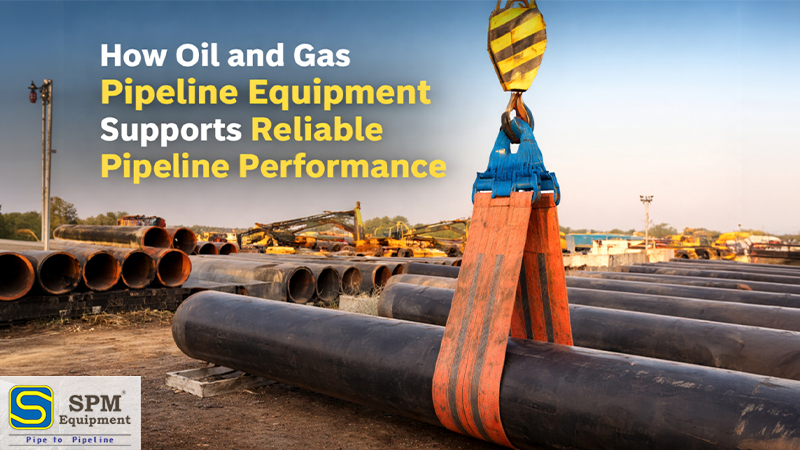
A single weak link in an oil or gas pipeline system—whether it is a poorly supported joint, a misaligned weld, or an undersized clamp—can quickly turn into unplanned shutdowns, safety incidents, and millions in lost revenue. For project managers and engineers working in Qatar, Kazakhstan, Libya, Thailand, and Singapore, where pipeline networks operate under extreme pressure, high temperatures, and challenging environmental conditions, the quality of OIL AND GAS PIPELINE EQUIPMENT directly defines system reliability. At SPM Equipment, we supply robust, precision-engineered OIL AND GAS PIPELINE EQUIPMENT that helps operators maintain safe, efficient, and long-lasting pipeline performance across onshore, offshore, and industrial sites.
By the end of this article, you will understand how modern OIL AND GAS PIPELINE EQUIPMENT improves safety, reduces downtime, and supports project success in demanding environments.
What Is Oil and Gas Pipeline Equipment?
OIL AND GAS PIPELINE EQUIPMENT refers to the mechanical components, tooling, and support systems used to install, align, clamp, weld, and maintain pipelines in oil & gas projects. This category includes pipe clamps, alignment clamps, hydraulic tools, backing clamps, and other specialized hardware that keeps the pipeline stable and structurally sound.
In simple terms, OIL AND GAS PIPELINE EQUIPMENT is the “invisible backbone” that holds the system together beyond the pipe itself. For engineers in Qatar, Kazakhstan, Libya, Thailand, and Singapore, this equipment is not a luxury; it is a necessity for meeting project deadlines, safety regulations, and quality standards. When this equipment is reliable and correctly specified, weld quality, joint integrity, and long-term pipeline performance all improve.
Why Pipeline Reliability Matters
In an oil and gas pipeline, reliability is not just about avoiding leaks; it is also about ensuring predictable flow, reducing maintenance costs, and supporting continuous operations. A pipeline that frequently requires repair or inspection interrupts production, affects downstream facilities, and erodes customer and regulatory trust.
OIL AND GAS PIPELINE EQUIPMENT helps maintain reliability by minimizing misalignment, distortion, and mechanical stress at critical joints. For example, a well-designed clamp or alignment tool keeps the pipe in the correct position during welding and hydro-testing, which reduces the risk of future failures. For projects in Qatar and Kazakhstan, where long-distance transmission lines cross vast terrains, this kind of support becomes even more critical.
Types of Oil and Gas Pipeline Equipment
When professionals talk about OIL AND GAS PIPELINE EQUIPMENT, they usually mean a family of tools and components that work together:
- Pipe clamps and support clamps
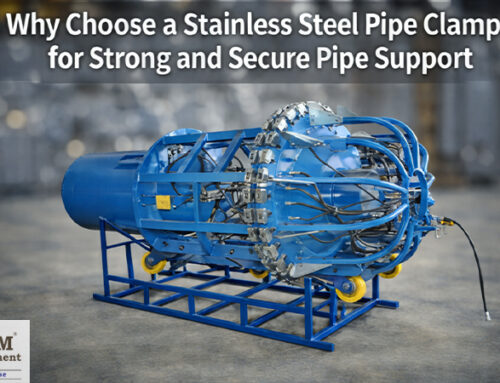
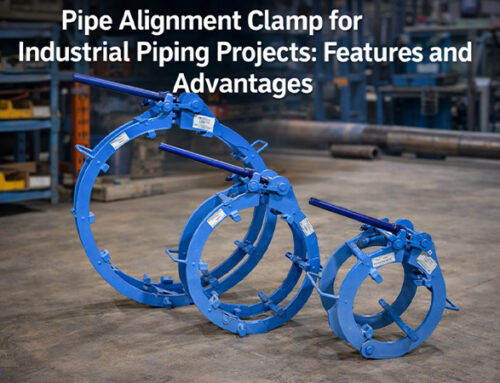
- Hydraulic alignment and cage-type clamps
- Copper back-up clamps and internal backing tools
- Pipe-welding jigs and positioning devices
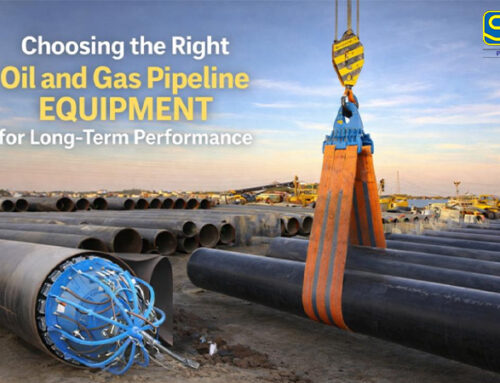
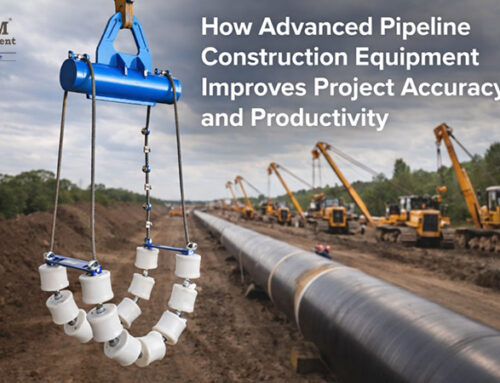
- Pipe-handling and lifting hardware
Each of these supports a specific stage of the pipeline lifecycle: from lay-down and alignment, through welding and inspection, to final testing and commissioning. By standardizing on high-quality OIL AND GAS PIPELINE EQUIPMENT, operators in Libya, Thailand, and Singapore can streamline construction, reduce variation between welds, and create a more predictable system.
How Equipment Makes Welding a Whole Lot Easier
One of the trickiest bits of pipeline construction is welding, particularly when you’re working with big pipes or high-pressure lines. You only have to get one joint out of alignment and you’re likely to end up with a mess on your hands – undercuts, burn-through, or just plain internal defects that don’t show up until you do some pressure testing or – worse still – the pipe has been in service for a while.
The Right Gear for the Job – OIL AND GAS PIPELINE EQUIPMENT helps welders get a clean, consistent joint every time by holding the pipe perfectly still, controlling the heat and keeping everything from moving around. For example, a good CAGE TYPE PIPE CLAMP or COPPER BACK UP CLAMP from SPM Equipment makes sure each weld root is properly backed and aligned, which in turn means less rework and a much better chance of passing inspection first time round.
Contribution to Safety and Risk Reduction
When you’re in the oil and gas business, safety is more than just something you have to do because the law says so, it’s an integral part of the way you run your business. Pipes that are not properly supported can shift or move during welding, testing, or all the other things you have to do to keep them running safely, which puts your team at risk of getting hurt by a sudden impact, rupture, or release.
OIL AND GAS PIPELINE EQUIPMENT cuts this risk down to size by giving you a good solid support that keeps the pipe from moving around and minimises the risk of unexpected surprises. For teams working in Qatar, Kazakhstan, Libya, Thailand, and Singapore, using good clamps and alignment tools means fewer accidents, a safer time when you’re hot-tapping and doing maintenance, and just a smoother job in general. SPM Equipment specifically designs their OIL AND GAS PIPELINE EQUIPMENT with safety top of mind – the tools have to be easy to use, tough enough to take the punishment of real working conditions, and heavy-duty enough to withstand the rigours of the job.
Efficiency and Cost-Effectiveness in Projects
Beyond getting the basics right in terms of safety and reliability, the equipment used in Oil and Gas pipeline projects has a big impact on efficiency and cost. You can slow down those welding crews and bring on extra labour hours if you’re relying on manual alignment methods, bodged clamping solutions, or constantly fiddling with temporary supports.
Cutting-edge Oil and Gas pipeline equipment – think hydraulic alignment clamps or quick-fit pipe clamps – brings setup times crashing down, reduces the need for rework, and makes for a much more standardised workflow process. And that’s a gamechanger for EPC contractors in places like Thailand and Singapore, where every last minute – and labour dollar – counts in keeping projects on track.
Why SPM Equipment Is a Trusted Partner
SPM Equipment has earned a reputation over the years for providing top-notch Oil and Gas pipeline equipment that handles the rough stuff on complex pipeline projects. Our products are designed to deliver, with precision engineering, thorough real-world testing, and repeatable performance across the board.
We’re talking here from Qatar to Kazakhstan, from Libya to Thailand and Singapore, and everywhere in between. SPM Equipment is behind-the-scenes supporting pipeline contractors, welding teams, and maintenance crews with clamps, alignment tools, and welding hardware that’s built to last. When you pick up SPM Equipment, you’re not just buying a product – you’re partnering with an outfit that understands the pipeline construction business back-to-front.
Why Choose Us
SPM Equipment is a trusted name in Oil and Gas pipeline equipment for projects where safety, efficiency and long-term performance are top priority. We know that pipeline construction and maintenance can be a tough, high-stakes business – especially in places like Qatar, Kazakhstan, Libya, Thailand and Singapore, where conditions are tough on equipment. Our equipment is made to keep pipes in line, properly supported and easier to weld – which in turn means better joint quality, less rework, and more reliable performance. When you work with us, you get access to reliable tools and real technical support that helps your pipeline projects get on schedule, past inspections and running smoothly over the long haul.
Conclusion
Oil and Gas pipeline equipment plays a key role in keeping your pipeline projects safe, efficient and running on rails – whether that’s onshore or offshore. From alignment clamps to hydraulic pipe clamps, every component does its bit to keep welds clean, joints strong and systems stable. For operators in Qatar, Kazakhstan, Libya, Thailand and Singapore, the payback on high-quality Oil and Gas pipeline equipment is fewer defects, less downtime and smoother operations over time.
If your business is looking for Oil and Gas pipeline equipment that supports clean, strong and accurate welds and long-term system reliability, SPM Equipment has got practical, field-tested solutions that can meet your real-world needs.
To learn more about OIL AND GAS PIPELINE EQUIPMENT options and how they can support your next pipeline or welding project, call us at +91 957-477-0022 or email spmequipment@gmail.com.
FAQs
How does it affect pipeline safety?
Good OIL AND GAS PIPELINE EQUIPMENT keeps pipes properly supported and aligned, which reduces the risk of movement, leaks, and failures during testing and operation.
Where can I buy OIL AND GAS PIPELINE EQUIPMENT for projects in Qatar or Thailand?
You can source high-quality OIL AND GAS PIPELINE EQUIPMENT from SPM Equipment, which supplies clamps, alignment tools, and welding hardware to clients in Qatar, Kazakhstan, Libya, Thailand, Singapore, and other markets.
Does it only matter during construction?
No, OIL AND GAS PIPELINE EQUIPMENT is also important during maintenance, tie-ins, and repairs, where proper alignment and support are crucial for safe and effective work.
Can it reduce project costs?
Yes, reliable OIL AND GAS PIPELINE EQUIPMENT can reduce rework, speed up welding, and help avoid costly shutdowns, which supports better overall project economics.