Have you ever seen a project slow down just because pipes were hard to move, lift, or place? It happens more often than people admit. Pipes look simply, but their size and weight change everything. One wrong choice can waste time, raise costs, and put workers at risk. That’s why choosing the right Pipe Handling Equipment is not just a technical decision. It’s a smart business move. In this guide, we’ll walk you through a clear and practical way to select the right equipment based on pipe size and weight. You’ll learn what really matters, what to avoid, and how to plan better from the first day of work.
Understanding Why Pipe Size and Weight Matter
Every pipe brings its own challenge. A small pipe may look easy to move, but in large numbers it still needs proper support. A large pipe can weigh several tons and needs controlled handling at every step. When you match the equipment to the exact size and weight, work becomes faster and safer. When you don’t, problems show up quickly. Delays, damaged pipes, and unsafe lifting become part of daily work. Good Pipe Handling Equipment is built to support pipes during loading, shifting, alignment, welding, and storage. The goal stays simple. Keep the pipe stable. Keep the team safe. Keep the work moving without stress.
Step One: Know Your Pipe Dimensions Clearly
Before you even look at machines, you need clear data. Measure the outer diameter. Check the wall thickness. Confirm the total length. Then calculate or confirm the total weight. These four numbers decide almost everything.
Many project delays start with guesswork. A pipe that looks similar may weigh much more because of wall thickness. When you share exact numbers with a Pipe Handling Equipment Manufacturer, they can suggest tools that actually fit your job instead of tools that only look right on paper.
Step Two: Understand the Working Area
A crowded site needs different solutions than an open yard. If space is tight, you need equipment that can move and turn easily. If the ground is uneven, you need stable support systems. The right Pipe Handling Equipment always matches the site as much as it matches the pipe. For example, long pipes need steady support across their length. Short and heavy pipes need strong grip and controlled lifting. This is where experience from a reliable Pipe Handling Equipment Supplier makes a real difference.
Step Three: Match Equipment Type with Pipe Weight
Lightweight pipes can be handled with simple rollers or manual supports. Medium weight pipes need mechanical help for smooth and safe movement. Heavy pipes need powered systems with strong frames and controlled motion. Using under-rated equipment is risky. It increases wear, raises accident risk, and often damages the pipe surface. A trusted Pipe Handling Equipment Manufacturer will always ask about weight first. That question protects both your team and your investment.
Step Four: Choose the Right Support and Movement System
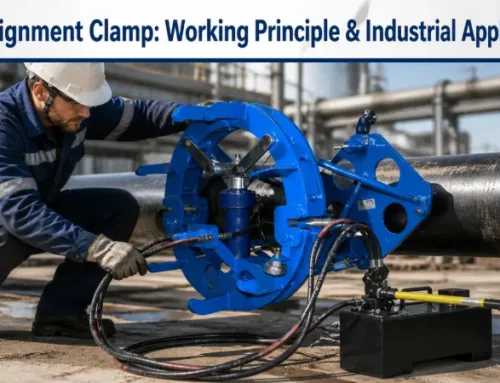
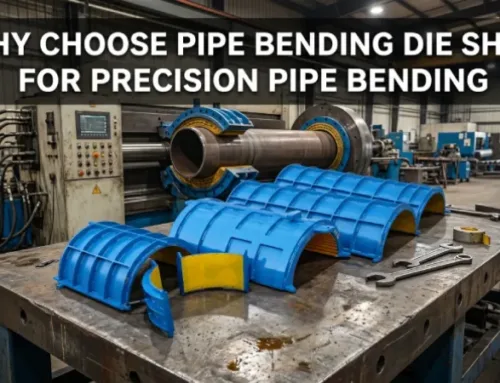
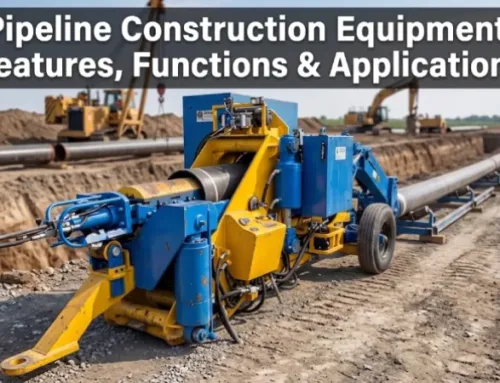
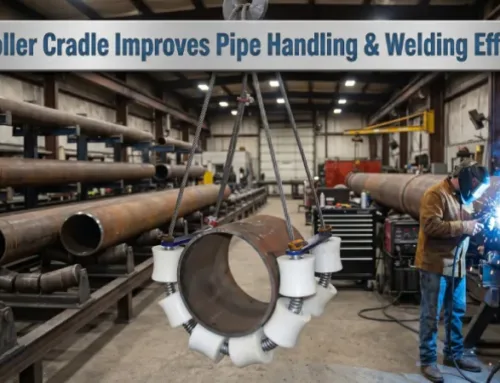
Pipes rarely stay in one place. They get loaded, moved, rotated, aligned, and stored. Each step needs the right tool. Rollers help move pipes smoothly across the ground. Cradles support pipes during lifting or lowering. Clamps help with alignment and welding. Lifting systems handle vertical movement. When all these tools work together, Pipe Handling Equipment becomes a complete system instead of random machines on site.
Step Five: Think About Safety Before Speed
Fast work means nothing if it puts people in danger. Good Pipe Handling Equipment controls movement. It prevents sudden slips. It holds the pipe in a stable position. This matters more as pipe size and weight increase. A reliable Pipe Handling Equipment Supplier will always focus on load ratings, balance, and stability. These are not extra features. They are the base of safe work.
Step Six: Plan for Repeated Use and Long Projects
If your project runs for months or years, you need equipment that stays strong. Weak frames bend. Poor rollers stop turning smoothly. Bad grips damage pipe surfaces. A quality Pipe Handling Equipment Manufacturer designs products for long life and steady performance. SPM Equipment focuses on building systems that work every day without constant repair. This saves money, time, and stress on site.
Step Seven: Think About Pipe Surface Protection
Many pipes come with coatings. Some have special finishes. Rough handling can damage these surfaces and create extra work. Good Pipe Handling Equipment supports the pipe without scraping or hitting sharp edges. This is another reason to work with an experienced Pipe Handling Equipment Supplier who understands real site problems, not just catalog sizes.
Step Eight: Training and Easy Operation
Even the best machine fails if it’s hard to use. Simple controls and clear movement paths reduce mistakes. When you choose from a skilled Pipe Handling Equipment Manufacturer, you get tools designed for real workers, not just engineers.
Common Mistakes to Avoid
One common mistake is choosing equipment only by price. Cheap tools often cost more in repairs and delays. Another mistake is ignoring future needs. If your next project uses bigger pipes, your current system may not work. Good Pipe Handling Equipment should support growth, not limit it.
Why Planning with the Right Partner Matters
Working with SPM Equipment means you don’t plan alone. As a trusted name in Pipe Handling Equipment, SPM Equipment listens first and suggests later. The team looks at pipe size, pipe weight, site conditions, and project goals before offering solutions. This approach helps clients avoid waste and focus on smooth progress. As a growing Pipe Handling Equipment Manufacturer, SPM Equipment builds tools that match real work needs. As a dependable Pipe Handling Equipment Supplier, SPM Equipment supports projects from planning to daily use.
Why Choose Us
SPM Equipment stands out because it works close to real project needs instead of offering fixed answers. The team studies your pipe size, weight, and site conditions before suggesting any Pipe Handling Equipment. As an experienced Pipe Handling Equipment Manufacturer and reliable Pipe Handling Equipment Supplier, SPM Equipment focuses on safety, long life, and easy use. Clients trust SPM Equipment because the products workday after day without trouble. The support does not end after delivery. It continues through the full project cycle with guidance and service.
Conclusion
Choosing the right Pipe Handling Equipment based on pipe size and weight decides how smooth and safe your project will be. When you understand your pipe details, site conditions, and work steps, selection becomes clear and simple. Working with a skilled Pipe Handling Equipment Manufacturer and a trusted Pipe Handling Equipment Supplier like SPM Equipment removes guesswork from the process. The right tools protect your team, your pipes, and your schedule. Smart planning today prevents costly problems tomorrow and keeps your work moving with confidence and control.
To choose the right pipe handling solution for your project, call +91 957-477-0022 or email spmequipment@gmail.com and speak with the SPM Equipment team today.
Key Takeaways
- The right equipment always depends on exact pipe size and weight.
- Safety and stability matter more than speed or price.
- Good planning reduces damage, delays, and stress on site.
- A trusted supplier adds value beyond just selling machines.
- SPM Equipment offers solutions that match real project needs.
FAQs
Can one system handle different pipe sizes?
Some systems can, but it depends on design and load limits. It’s best to confirm this with a reliable supplier.
Why is weight more important than pipe length sometimes?
Because lifting and support systems depend mainly on load capacity, not just size.
Does surface coating change equipment choice?
Yes, coated pipes need support that avoids scratches and damage.
Why should I work with SPM Equipment?
Because SPM Equipment offers tested, safe, and practical solutions with full project support.