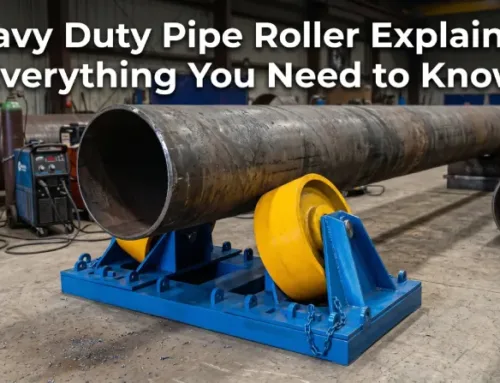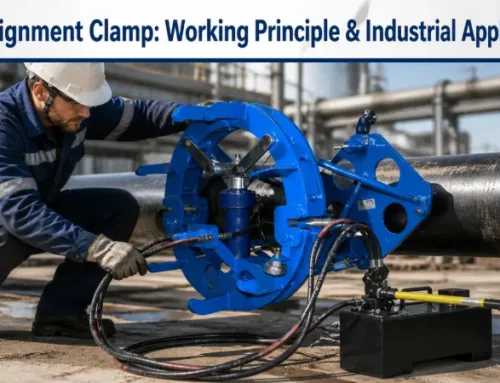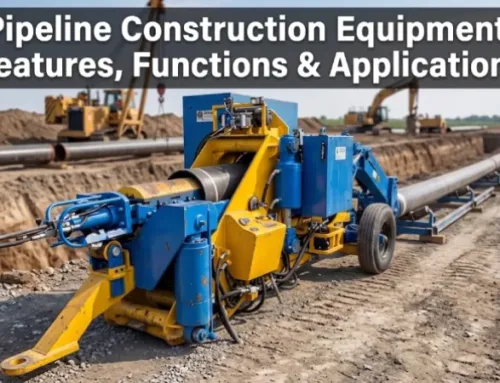
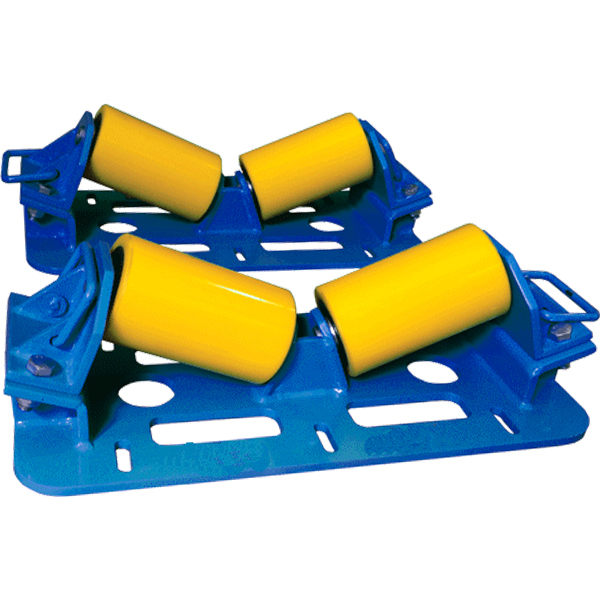
Pipeline construction requires safe, efficient, and reliable equipment to ensure smooth operations. In many oil and gas projects, pipes are installed in racks or modules that cranes cannot easily access due to limited space. In such conditions, the beam clamp rigging roller becomes an essential solution. Engineered with high-tensile materials and precision design, this roller ensures pipes are securely supported and maneuvered without damage. Its strong grip, smooth rolling action, and easy handling features allow operators to position and move pipes quickly, reducing downtime and improving productivity.
Beyond oil and gas pipelines, beam clamp rigging rollers are widely used in construction projects, industrial maintenance, warehouses, and plant operations. They solve rigging challenges such as heavy loads, awkward angles, and safety concerns. By combining durability, efficiency, and safety, the beam clamp rigging roller delivers a trusted solution for industries that demand reliability in restricted or complex environments.
Common Rigging Challenges
- Heavy Loads and Awkward Angles – Moving pipes weighing several tons at difficult angles strains conventional gear.
- Friction and “Don’t-Roll” Issues – Standard hardware often sticks or drags, leading to pipe surface damage.
- Complex Handling and Setup – Traditional systems require more manpower and longer preparation.
- Safety and Load Stability Concerns – Misalignment or slippage risks accidents and costly downtime.
How the Beam Clamp Rigging Roller Works
Basic clamps lack rolling efficiency and cannot adjust to varying beam sizes. Standard rollers demand wide access areas, making them unsuitable for tight pipeline racks or modules. The result: wasted time, reduced safety, and increased costs.
Basic Components
- Beam Clamp – Firmly attaches to I-beams, T-beams, or square beams.
- Roller Wheel – Smooth, low-friction wheel that guides pipe movement.
- Adjusting/Clamping Mechanism – Fits different beam diameters securely.
- Release Lever or Pin – Quick removal for fast repositioning.
Step-by-Step Flow
- Attach the clamp to the selected beam.
- Adjust according to beam size for a secure grip.
- Engage the roller to ensure smooth rotation.
- Position the pipe and maneuver safely.
- Conduct safety checks before lifting or pulling.
Features of Beam Clamp Rigging Roller
- Strength and Materials – Built with high-tensile steel, resistant to wear and corrosion.
- Load Ratings – Handles heavy-duty applications with safety factors to ensure reliability.
- Size Range – Suitable for pipes from 2” and above.
- Clamp Versatility – Adjustable for multiple beam types.
- Rolling Efficiency – Equipped with precision bearings for frictionless movement.
- Ease of Handling – Ergonomic grip, quick-release levers, and lightweight design for easier setup.
- Safety Integration – Locking pins and secondary safety features for stability.
- Maintenance-Friendly – Accessible components, standard spares available for quick replacement.
Benefits of Beam Clamp Rigging Roller
- Strength – Built from high-tensile steel, the beam clamp rigging roller withstands heavy rigging loads without bending or failure, ensuring long-lasting performance in demanding industrial and pipeline applications.
- Reliability – Its rugged design and durable materials extend service life, minimizing unexpected breakdowns. This reliability reduces costly downtime, ensuring continuous operation for oil, gas, construction, and heavy maintenance projects.
- Easy Handling – Lightweight and ergonomically designed, it simplifies setup and handling. Fewer personnel are required, reducing labor costs and improving workflow efficiency during installation, pulling, or lifting operations.
- Time Savings – Quick installation and removal features allow faster rigging and derigging. This efficiency shortens project timelines, improving productivity and ensuring smoother execution on industrial sites and pipeline projects.
- Safety Uplift – Integrated locking mechanisms and secure load stability reduce the risks of slippage, misalignment, or accidents, providing safer working conditions across various industrial, warehouse, and pipeline environments.
- Applications & Uses of Beam Clamp Rigging Roller
- Oil and Gas Pipelines – Perfect for environments where cranes cannot access pipes placed in racks or modules, ensuring smooth pipe movement, increased installation speed, and reduced risk of equipment damage.
- Construction Projects – Provides dependable support for overhead lifting and temporary rigging tasks on construction sites. It helps contractors move heavy loads securely, reducing project delays while improving workplace safety standards.
- Industrial Maintenance – Ideal for factories and plants, where it assists in pipe positioning and pulling operations. It helps maintenance teams handle heavy equipment safely and efficiently without external lifting systems.
- Warehousing – Enables smooth, controlled movement of heavy materials along elevated beams. Warehouses benefit from improved efficiency, safer material handling, and reduced strain on workers through its reliable rigging performance.
Comparison & Alternatives
| Feature | Beam Clamp Roller | Traditional Roller Systems | Chain Hoists / Pulley Systems |
|---|---|---|---|
| Strength | High | Moderate | High |
| Speed | Fast | Slower | Slow |
| Safety | Stable, lockable | Less stable | High if used correctly |
| Cost | Medium, long-term savings | Low upfront, higher maintenance | Higher |
Beam clamp rigging rollers provide the best balance of cost, strength, and efficiency for oil and gas operations.
Buying Guides & Selection Tips
- Beam Size – Match the clamp range with your beam diameter.
- Load Rating – Always check the maximum load capacity and safety factor.
- Material – Opt for high-tensile steel with anti-corrosion coatings.
- Wheel Material – Choose bearings that allow smooth rotation without wear.
- Compatibility – Ensure it works with existing slings, hooks, and hoists.
- Cost of Ownership – Factor in long-term maintenance savings, not just upfront cost.
Why Choose SPM Equipment?
When it comes to pipeline construction, choosing the right equipment is critical for efficiency and safety. SPM Equipment is the leading beam clamp rigging roller manufacturer and exporter, trusted for delivering innovative solutions that meet global standards. Our beam clamp rigging roller for oil and gas pipeline projects is specifically designed for environments where cranes cannot access pipes in racks or modules. Available in sizes ranging from 2” to above, these rollers provide secure support for pipe pulling and pushing, ensuring faster installation and enhanced protection of expensive metal piping.
Manufactured with high-tensile steel and precision engineering, our rollers are built to handle heavy loads while minimizing wear, corrosion, and downtime. The result is improved performance, greater reliability, and enhanced worker safety in even the most demanding conditions. With a strong export network, we proudly supply products to Russia, USA, UAE, Australia, Malaysia, France, Kuwait, Saudi Arabia, Singapore, Tanzania, and worldwide. Our global presence reflects the trust industries place in our durable, reliable, and cost-effective equipment. Choose SPM Equipment for unmatched strength, reliability, and service in pipeline handling solutions that protect your investment and accelerate project timelines.
Conclusion
The beam clamp rigging roller is a vital tool for oil and gas pipeline installation in confined areas where crane access is limited. With its strength, reliability, and ease of handling, it ensures faster, safer, and more efficient operations. Contact us for more info about beam clamp rigging roller – +91-957-477-0022 | spmequipment@gmail.com.
FAQ
Why is a beam clamp rigging roller important for oil and gas pipelines?
It ensures safe handling of heavy pipes in limited spaces. By reducing friction and stabilizing loads, it prevents damage, improves efficiency, and enhances worker safety during oil and gas pipeline installation.
What pipe sizes can a beam clamp rigging roller handle?
These rollers are versatile and typically available for 2-inch pipes to above. Adjustable clamps make them compatible with various beam diameters, making them suitable for diverse oil, gas, and industrial pipeline applications.
How does a beam clamp rigging roller improve handling?
It reduces manual effort with low-friction bearings, smooth rotation, and quick setup. This makes pipe maneuvering easier, safer, and faster compared to traditional rollers or manual handling systems.
What materials are used to make beam clamp rigging rollers?
Most are built with high-tensile steel, offering excellent strength, durability, and corrosion resistance. Quality materials ensure they withstand heavy loads and provide long service life in demanding industrial environments.
How does it save time on projects?
Beam clamp rigging rollers reduce setup time and require fewer personnel. Their quick-release mechanisms allow faster rigging and derigging, helping contractors complete projects within deadlines and improve overall productivity.
What safety features are included in beam clamp rigging rollers?
Safety features include locking pins, secure clamps, and secondary safety systems to stabilize heavy loads. These prevent slippage, misalignment, and accidents, ensuring safer operations on oil, gas, and construction projects.
Where are beam clamp rigging rollers commonly used?
They are widely used in oil and gas pipeline projects, construction sites, warehouses, and industrial maintenance. Their versatility makes them ideal for overhead lifting, pipe pulling, and handling heavy equipment.
How does it compare with traditional roller systems?
Unlike traditional rollers, beam clamp rigging rollers provide faster setup, higher stability, and smoother movement. They save manpower, reduce downtime, and handle heavy-duty tasks with greater reliability and efficiency.
Why should I invest in a beam clamp rigging roller?
Investing ensures long-term safety, durability, and cost savings. It protects expensive pipes, improves installation speed, and reduces risks, making it a smart choice for contractors in oil, gas, and industrial sectors.