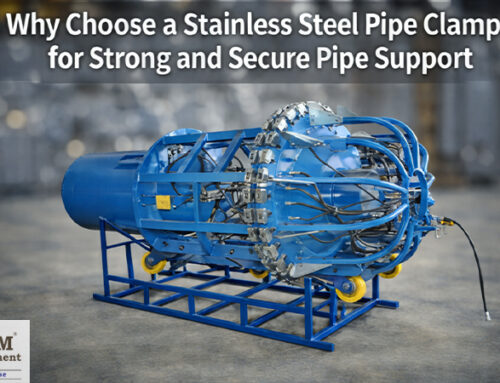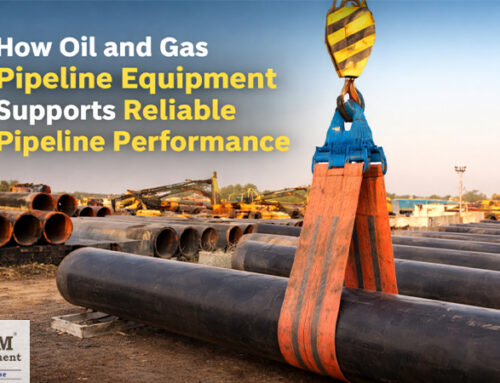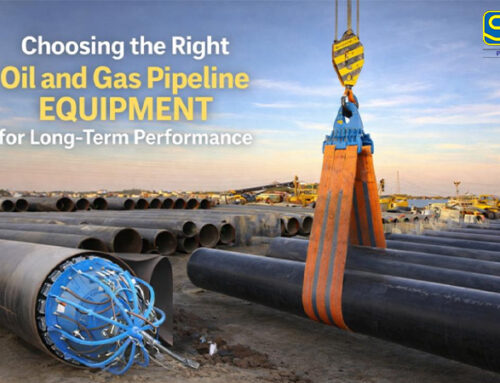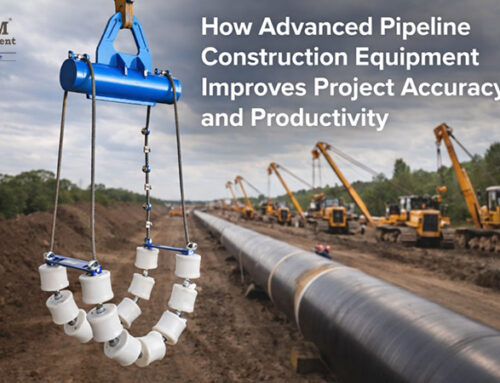

In the oil and gas industry, pipelines demand strong, reliable, and safe support systems. The cage type pipe clamp manual is one such essential tool, widely used to ensure pipes stay securely in place during installation, operation, and maintenance. Designed with a sturdy frame, cage structure, and manual tightening mechanism, it provides a firm grip while distributing pressure evenly across the pipe surface. Its key benefits include durability, corrosion resistance, easy installation, and reusability, making it a cost-effective choice for refineries, chemical plants, and water systems. These cage type pipe clamps are available in various materials, including carbon steel, stainless steel, and alloys, with finish options such as galvanization or epoxy coating, to suit harsh environments.
Prices vary depending on pipe size, material, and coating, but investing in high-quality clamps ensures long-term savings, reduced downtime, and improved safety. A cage-type pipe clamp manual is truly indispensable for modern pipeline infrastructure.
What is a Cage Type Pipe Clamp?
A cage type pipe clamp is a mechanical device designed to grip and securely support pipes during installation, welding, and maintenance. Its structure includes a frame for strength, a cage for pipe placement, a tightening mechanism with manual bolts or screws, and contact surfaces that ensure a firm grip without damaging the pipe. These clamps are simple, quick, and easy to use, making them ideal for pipeline projects in oil, gas, and industrial sectors. They are suitable for pipes with diameters ranging from 3″ to above.
All manual no tack cage type clamps feature an arched bar design, allowing for 360° continuous welding without removing the clamp. This ensures uninterrupted workflow, saves time, and increases efficiency. Built from durable materials like carbon steel or stainless steel, these clamps provide strength, corrosion resistance, and reliability in challenging environments.
How It Differs From Other Pipe Clamps
- Saddle Clamps: Designed for lighter loads.
- Yoke Clamps: Used for specific machinery or heavy loads.
- Beam Clamps: Primarily for suspensions and rigging.
Cage type clamps excel in high-load, vibration-prone environments.
Common Sizes and Materials
- Sizes: Designed to handle small to large diameter pipes.
- Materials: Carbon steel, stainless steel, and alloys, often with protective coatings.
Manual Cage Type Pipe Clamp: How It Works
- Place the pipe within the cage.
- Align the clamp with the pipe’s axis.
- Manually tighten using torque wrenches or spanners.
- Ensure proper torque is applied to secure the pipe.
- To release, loosen the bolts and lift the pipe.
Torque and Tools
- Standard hand tools like ratchet spanners or torque wrenches are used.
- Torque range varies based on pipe diameter and load.
Compatibility
- Suitable for a wide diameter range.
- Works with both coated and insulated pipes.
Key Benefits for Pipeline Equipment
- Secure Grip: Vibration resistance prevents pipe movement.
- Reusability: Can be reused across different projects.
- Quick Installation: Saves time in large-scale maintenance.
- Corrosion Resistance: Coatings protect against harsh environments.
- Compatibility: Works with pipelines coated for insulation or corrosion protection.
Applications and Use of Cage Type Pipe Clamp
- Oil & Gas Refineries – High-Pressure Pipelines
Cage type pipe clamps are essential in oil and gas facilities, where high-pressure pipelines demand a secure grip. They provide vibration resistance, stability, and safety during welding, installation, and maintenance in critical refinery operations. - Chemical Plants – Secure Placement for Hazardous Material Transport
In chemical plants, transporting hazardous materials requires absolute reliability. Cage type clamps ensure tight, durable support for pipelines, preventing leakage or misalignment. Their corrosion resistance makes them suitable for handling aggressive chemicals and extreme environmental conditions. - Water/Wastewater Plants – Large Distribution Pipelines
These clamps are widely used in water supply and wastewater treatment facilities. They stabilize large-diameter pipelines, allowing smooth flow and reducing maintenance downtime. Their strong grip and easy installation make them ideal for municipal and industrial water infrastructure.
Material and Design Considerations
- Materials: Carbon steel, stainless steel 304/316 for corrosion resistance.
- Finishes: Galvanized, epoxy-coated, or powder-coated.
- Load Ratings: Engineered with safety factors.
- Cage Geometry: Ensures even pressure distribution without pipe damage.
Cage Type vs Other Pipeline Clamps
- Versus Saddle Clamps: Stronger and more stable under vibration.
- Versus Flange Clamps: Offers reusability and easier installation.
- Versus U-Bolt Clamps: Less stress concentration on the pipe.
- Lifecycle: Cage clamps last longer with reduced maintenance costs.
Installation and Maintenance Guide
Pre-Installation Checks
- Verify pipe alignment and condition.
- Ensure correct size and material compatibility.
Installation Steps
- Position clamp.
- Tighten bolts sequentially.
- Verify torque with calibrated tools.
Maintenance Tips
- Inspect clamps for corrosion or wear.
- Re-torque bolts periodically.
- Store clamps in dry, clean areas when not in use.
What Affects Costs
- Carbon Steel: More affordable.
- Stainless Steel: Higher price due to corrosion resistance.
- Alloy Steel: Premium pricing for specialized conditions.
How to Choose the Right Cage Type Pipe Clamp
Selecting the right cage type pipe clamp is essential for safety, durability, and efficiency in pipeline projects. Following a systematic approach ensures you get the best solution for your needs.
- Step 1: Confirm Pipe Diameter and Weight
Always start by measuring the pipe diameter and weight to ensure proper clamp fit and load capacity. - Step 2: Choose a Material Suitable for the Environment
For corrosive or outdoor environments, stainless steel or coated clamps are ideal, while carbon steel suits general applications. - Step 3: Check Load Rating and Compliance with Standards
Review the clamp’s load rating and ensure compliance with international pipeline and safety standards. - Step 4: Request Technical Datasheets and CAD Drawings
These documents provide detailed specifications, ensuring accurate design, fit, and project planning. - Step 5: Review Warranty and After-Sales Service Options
A reliable warranty and service support guarantee long-term performance and peace of mind.
By following these steps, you can confidently select the most effective cage type pipe clamp for your pipeline projects.
Why Choose SPM Equipment?
Choosing the right pipeline support solution is crucial for safety, efficiency, and long-term reliability. As a trusted cage type pipe clamp manual manufacturer, supplier, and exporter in Russia, USA, UAE, Australia, Malaysia, France, Kuwait, and worldwide. SPM Equipment stands out for its commitment to quality and innovation in the oil and gas pipeline industry. With years of expertise, SPM Equipment delivers high-performance clamps designed to provide a secure grip, vibration resistance, and long-lasting durability. Every clamp is engineered from premium materials like carbon steel and stainless steel, with finishes such as galvanization or epoxy coating to withstand harsh environments. This ensures safety, precision, and reliability across diverse pipeline applications.
As a leading cage type pipe clamp manual manufacturer and exporter, SPM Equipment has earned recognition worldwide for supplying products that meet international quality standards. The company offers customizable solutions to suit varied pipeline diameters, load requirements, and environmental conditions. For businesses seeking a reliable cage type pipe clamp manual in India, SPM Equipment is the best company. Combining advanced technology, skilled craftsmanship, and cost-effective pricing, the company ensures total customer satisfaction. Its comprehensive support—from product selection to after-sales service—makes it the preferred choice for pipeline infrastructure projects across the globe.
Conclusion
Cage type pipe clamp manuals are indispensable tools in the oil, gas, and industrial sectors. They ensure safe, durable, and efficient pipeline operations with minimal maintenance. By understanding their benefits, applications, and price factors, industries can make informed choices. Contact us for more info about cage type pipe clamp manual – +91-957-477-0022, spmequipment@gmail.com.
FAQ
Why is a cage type pipe clamp manual important?
It is important because it provides a reliable grip, reduces vibration, and prevents pipe movement. This ensures safer welding, easier maintenance, and long-lasting stability for pipelines in refineries, chemical plants, and large infrastructure projects worldwide.
What industries commonly use cage type pipe clamps?
Industries such as oil and gas, petrochemicals, power plants, water treatment, and HVAC systems use cage type pipe clamps. They are suitable for heavy-duty pipelines requiring safety, strength, and precise alignment during installation or maintenance operations.
What materials are cage type pipe clamps made from?
These clamps are typically made from carbon steel, stainless steel, or specialized alloys. They may also have galvanized, epoxy, or powder-coated finishes to resist corrosion and ensure durability in harsh or chemically aggressive environments.
What are the key benefits of using cage type pipe clamps?
Key benefits include vibration resistance, secure grip, corrosion protection, reusability, and quick installation. They also allow 360° continuous welding without removal, saving time and ensuring safety in critical industrial and pipeline infrastructure projects.
How do manual cage type pipe clamps work?
The pipe is placed inside the cage, bolts are manually tightened to secure it, and torque is applied using wrenches. This provides an even grip, preventing damage while holding the pipe firmly in position.
What factors affect the price of cage type pipe clamps?
Price depends on pipe size, material, finish, load rating, and customization requirements. Stainless steel clamps with corrosion-resistant coatings cost more, while carbon steel versions are more affordable for general applications and short-term projects.
Can cage type pipe clamps be reused?
Yes, these clamps are designed for reusability. They can be dismantled, cleaned, and used again for different projects, making them a cost-effective investment for industries handling large-scale pipeline installations and maintenance operations.
Are cage type pipe clamps easy to install?
Yes, they are designed for quick and easy manual installation using basic hand tools. The arched bar design allows continuous welding without removal, significantly reducing downtime and improving efficiency on project sites.
How do I choose the right cage type pipe clamp?
You should consider pipe diameter, material, load capacity, and environmental conditions. Always request technical datasheets, CAD drawings, and compliance certifications from suppliers to ensure you’re selecting the right clamp for your project needs.